



Export Information on Stevia (Egyptian Origin)
1. Product Name
Stevia
Scientific Name: Stevia rebaudiana
Common Names: Sweetleaf, Sugarleaf
2. Description
Stevia is a natural sweetener derived from the leaves of the Stevia rebaudiana plant, which is native to South America but widely cultivated in Egypt due to its adaptability to warm climates. The leaves contain steviol glycosides, which are intensely sweet compounds that provide a sugar-free alternative for food and beverage applications. Egyptian Stevia is known for its high-quality glycoside content and consistent sweetness profile.
Appearance :
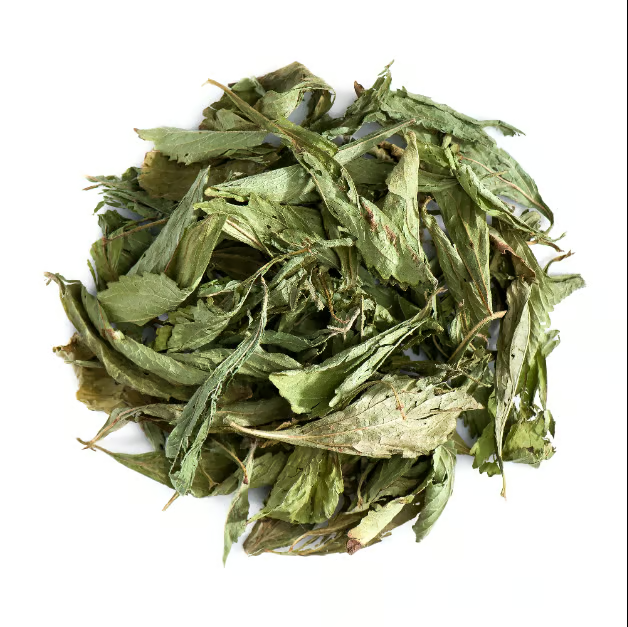
Leaves: Small, lance-shaped, green to olive-green when dried.
Powder: Fine, light green to white powder depending on processing.
Texture : Brittle and lightweight when dried; soft and pliable when fresh.
Odor : Mild, herbal aroma with no strong off-odors.
Taste : Intensely sweet with a slightly licorice-like aftertaste.
Moisture Content : Typically ≤ 8% to ensure preservation.
Active Compounds : Rich in steviol glycosides, primarily stevioside and rebaudioside A.
Sweetness Intensity : 200–300 times sweeter than sucrose.
pH Level : Approximately 5.0–6.0 (slightly acidic).
Ash Content : ~5–8%.
Caloric Value : Contains negligible calories (0 kcal/g).
Natural Pigments : Chlorophyll contributes to its green color.
5. Nutritional Information (Per 100 g)
Calories : ~0 kcal (negligible due to low consumption quantities).
Protein : 2.0 g
Fat : 0.5 g
Carbohydrates : 7.0 g
Dietary Fiber : 20.0 g
Vitamins : Trace amounts of B vitamins.
Minerals :
Calcium: ~200 mg
Iron: ~3.0 mg
Magnesium: ~25 mg
Potassium: ~400 mg
Color : Uniform green to light green (for leaves); white to off-white (for powdered extract).
Foreign Matter : ≤ 0.5% (no visible stems, seeds, or contaminants).
Particle Size : Whole leaves, crushed pieces, or powdered form as per buyer specifications.
Purity : Free from adulterants, artificial additives, or chemical residues.
Organoleptic Properties : Fresh, herbal aroma; no off-flavors or odors.
Compliance with Local and European Specifications According to Food Safety
Total Plate Count (TPC) : ≤ 10,000 CFU/g
Yeast and Mold : ≤ 100 CFU/g
Coliforms : Absent in 1 g
E. coli : Absent in 1 g
Salmonella : Absent in 25 g
Aflatoxins : ≤ 4 ppb (as per EU standards).
8. Storage
Temperature : Store in a cool, dry place (≤ 25°C).
Humidity : Relative humidity should be ≤ 60% to prevent moisture absorption.
The packaging is in polypropylene bags, cardboard boxes, or as per customer request.
9. Shelf Life
Unopened Packaging : Up to 24 months under recommended storage conditions.
Opened Packaging : Consume within 12 months for optimal quality.
10. Applications
Food and Beverage Industry :
Used as a natural, zero-calorie sweetener in beverages, baked goods, and confectionery.
Ideal for diabetic-friendly and low-calorie products.
Health Benefits :
Supports blood sugar regulation and weight management due to its non-glycemic properties.
Promotes dental health by reducing sugar intake.
Cosmetic Uses :
Extracts incorporated into oral care products (e.g., toothpaste, mouthwash) for their sweetness and antimicrobial properties.
Industrial Uses :
Used in the production of dietary supplements and wellness products.
11. Origin
Country of Origin : Egypt
Egypt’s warm climate and fertile soil provide ideal growing conditions for Stevia.
Egyptian Stevia is renowned for its high glycoside content, vibrant color, and consistent sweetness profile.
Contact
Website:https://king-herb.org/
Email: export@king-herb.org
Phone:+201032367747
WhatsApp:+201032367747



رد واحد على “استيفياStevia (Egyptian Origin)”
Helpful and concise writing. 馃檪 Great mix of information and simplicity. 馃檪